
custom mirror designs
The Importance of Metal Table Fabrication in Modern Industries Metal table fabrication has become increasingly vital in various sectors, from construction to manufacturing. The process involves cutting, shaping, and assembling metal components to create functional and aesthetically pleasing tables. This article explores the significance of metal table fabrication, detailing its benefits, techniques, and applications. The Significance of Metal Tables Metal tables are favored for their durability, strength, and versatility. Unlike tables made from wood or plastic, metal tables can withstand heavy loads and harsh environments. This property makes them ideal for industries such as manufacturing and hospitality, where tables must endure daily wear and tear. Moreover, metal tables are resistant to corrosion, making them suitable for outdoor use or in moist environments. Benefits of Metal Table Fabrication 1. Customization One of the primary advantages of metal table fabrication is the ability to customize designs according to specific needs. Manufacturers can create tables in various sizes, shapes, and finishes to suit the particular requirements of the project. For instance, an architectural firm might need a sleek, modern table for a corporate office, while a restaurant may require robust tables that can accommodate large groups. 2. Strength and Durability Metal fabricated tables have a longer lifespan compared to their wooden counterparts. They can endure harsh conditions and are less susceptible to cracking, warping, or pest infestations. This durability reduces the need for frequent replacements, leading to cost savings in the long run. 3. Aesthetic Appeal Modern metal table fabrication techniques allow for intricate designs and finishes. Tables can be polished, painted, or coated in various colors, making them suitable for diverse design aesthetics . Their industrial look is often embraced in contemporary interiors, adding a touch of sophistication. 4. Eco-Friendly Options With growing environmental concerns, many manufacturers are focusing on sustainable practices. Metal is recyclable, and the fabrication process can utilize recycled materials. This approach not only reduces waste but also appeals to eco-conscious consumers. metal table fabrication Techniques of Metal Table Fabrication The fabrication process can involve several techniques, including - Cutting Precision cutting techniques, such as laser cutting or water jet cutting, ensure that metal components are shaped accurately with minimal waste. - Bending Metal sheets can be bent using press brakes or roll formers to achieve the desired angles and curvature for the table design. - Welding This technique joins different metal parts together, creating a strong and durable structure. Different welding methods, such as MIG or TIG welding, can be employed depending on the materials and design complexities. - Finishing After fabrication, tables undergo various finishing processes, such as powder coating or plating, to enhance their appearance and protect against corrosion. Applications of Metal Tables The applications of metal tables are vast. In the industrial sector, heavy-duty tables are crucial for workstations, assembly lines, and storage areas. In commercial settings, cafes and restaurants often opt for metal tables for their resilience and ease of maintenance. Additionally, metal tables are increasingly being incorporated into residential spaces, particularly in home offices and dining areas, providing a modern, sleek aesthetic. Conclusion In summary, metal table fabrication plays a crucial role in meeting the demands of various industries. With benefits ranging from customization and durability to aesthetic appeal and eco-friendliness, metal tables have become a preferred choice in many settings. As technology advances, the techniques and applications of metal table fabrication will continue to evolve, further solidifying its importance in modern manufacturing and design. Whether for industrial use or stylish home decor, the impact of metal table fabrication is undeniable and will continue to shape the future of furniture manufacturing.
about
custom mirror designs
Understanding the Ring Gauge A Key Tool for Precision Measurement In the world of manufacturing and engineering, precision is crucial. One of the essential tools used for ensuring precision in cylindrical parts is the ring gauge. This specialized measuring instrument plays an integral role in quality control, particularly in the production of items that require exact specifications, such as shafts, bearings, and other machined components. What is a Ring Gauge? A ring gauge is a cylindrical device that is used primarily for checking the external diameter of cylindrical workpieces. It typically comes in two forms the go gauge and the no-go gauge. The go gauge is designed to fit onto a part that meets the required specifications, while the no-go gauge should not fit onto the part if it exceeds the acceptable limits. This dual functionality helps manufacturers ensure that each component meets the necessary dimensional tolerances. The Importance of Ring Gauges Accurate measurements are critical in manufacturing processes, and any deviation from specified dimensions can lead to failures or malfunctions in machinery. This is where the ring gauge proves indispensable. By employing these gauges, inspectors can quickly and efficiently determine whether a part is within tolerances without the need for cumbersome micrometers or calipers. This not only speeds up the inspection process but also increases accuracy. Furthermore, using ring gauges can minimize human error in measurement since they provide a clear pass or fail outcome. This reliability is paramount in environments where precision is non-negotiable, such as aerospace, automotive, and medical equipment manufacturing. Types of Ring Gauges Ring gauges can be classified based on their design and functionality . The most common types include ring gauge is used for checking 1. Go and No-Go Ring Gauges As mentioned earlier, these gauges are used together to assess whether a part falls within the acceptable specifications. 2. Master Ring Gauges These are high-precision gauges used to calibrate other measuring instruments. They serve as a benchmark against which other gauges are measured. 3. Limit Gauges These gauges are used in specific situations where only one measurement is critical, allowing for quick assessments without the need for extensive measurements. 4. Snap Gauges Although not strictly a ring gauge, snap gauges closely resemble ring gauges and are used for measuring the thickness or overall dimensions of a component. The Process of Checking with a Ring Gauge The procedure for using a ring gauge is straightforward. The inspector begins by selecting the appropriate gauge based on the part in question. First, the go gauge is placed over the component; if it fits snugly, the part is within the acceptable range. Following this, the no-go gauge is tested. If the no-go gauge fits, the part is deemed out of specification. This simple two-step process allows for rapid assessments of many components in a production line. Conclusion In conclusion, ring gauges are invaluable tools in the sphere of precision measurement. Their simplicity, efficiency, and reliability make them essential for maintaining quality standards in manufacturing processes. By ensuring that components meet exact specifications, ring gauges help prevent costly errors and defects, ultimately contributing to the overall success of manufacturing operations. As industries continue to emphasize the need for precision, the role of ring gauges will remain pivotal in ensuring product integrity and performance.
-

High quality industrial productsagement

High quality industrial products
View Details -

Meet the diverse needs of customers

Meet the diverse needs of customers
View Details -

Strict quality control

Strict quality control
View Details -

Top raw materials

Top raw materials
View Details -

Trusted supplier

Trusted supplier
View Details
Our application
news and information

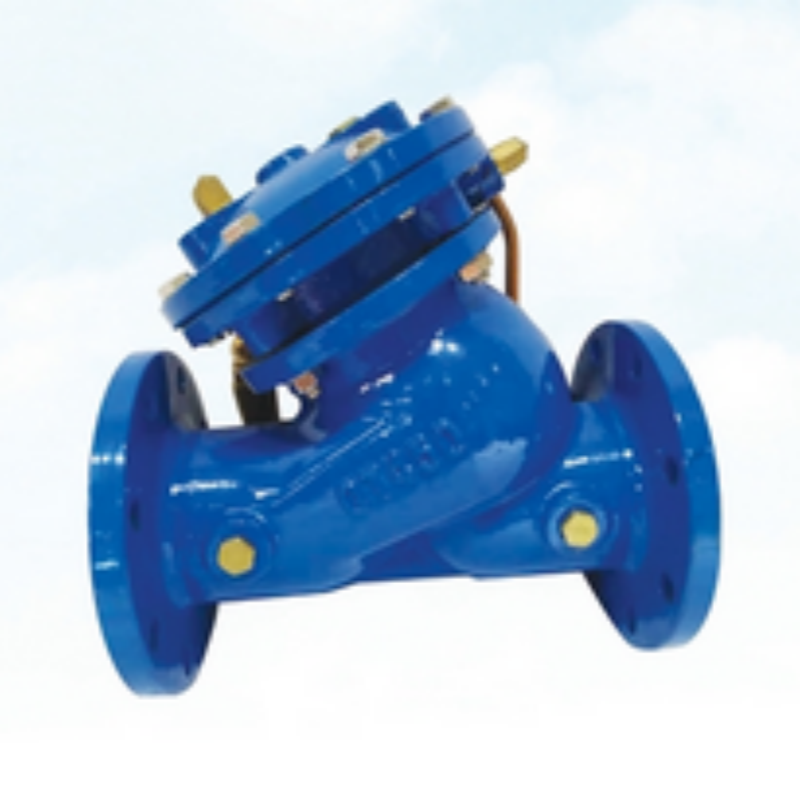
Y Type Strainer Cleaning Procedures
In industrial fluid systems, Y type strainers are essential components that effectively filter out i
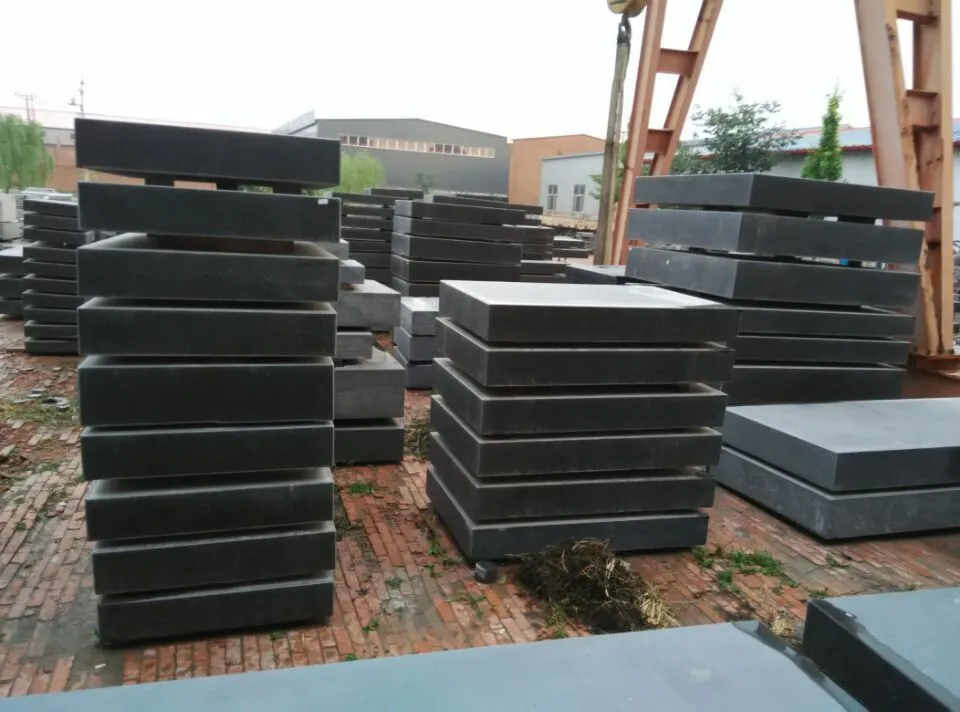
Vibration Dampening Pads for Industrial Machinery and Equipment in Heavy Applications
Vibration Damping Pads for Heavy Machinery An Essential Component for Performance and Longevity In t
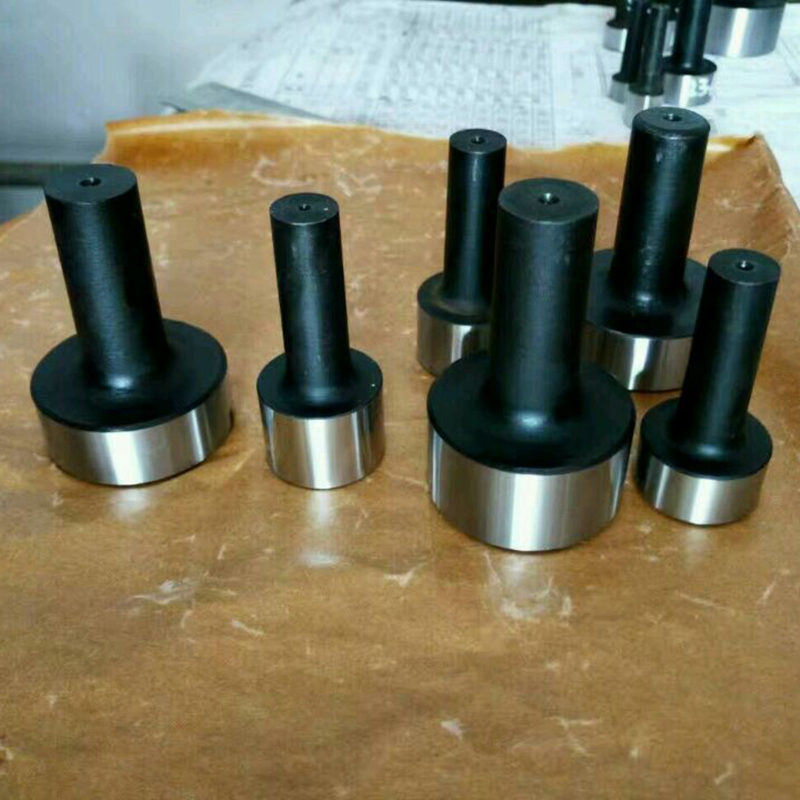
Valve Manufacturing Process and Innovative Techniques for Enhanced Performance
The Evolution and Importance of Valve Factories in Modern Industry Valve factories play a crucial ro
 English